Introduction: Fine mist and direct spray patterns help editors describe automotive cleaning bottles by matching liquid control to surface area, soil location, and usage limits.
Automotive cleaning content often treats spray wording as a simple performance claim: finer is better, stronger is better, or uniform atomization means the same result with every liquid. For a product editor, that approach creates vague copy and can overstate what a spray bottle can prove. A better explanation starts with the shape of liquid delivery. Fine mist, direct spray, uniform atomization, and enhanced water spray are useful terms only when they stay connected to the cleaning area, the liquid instructions, and the evidence available from the product information.
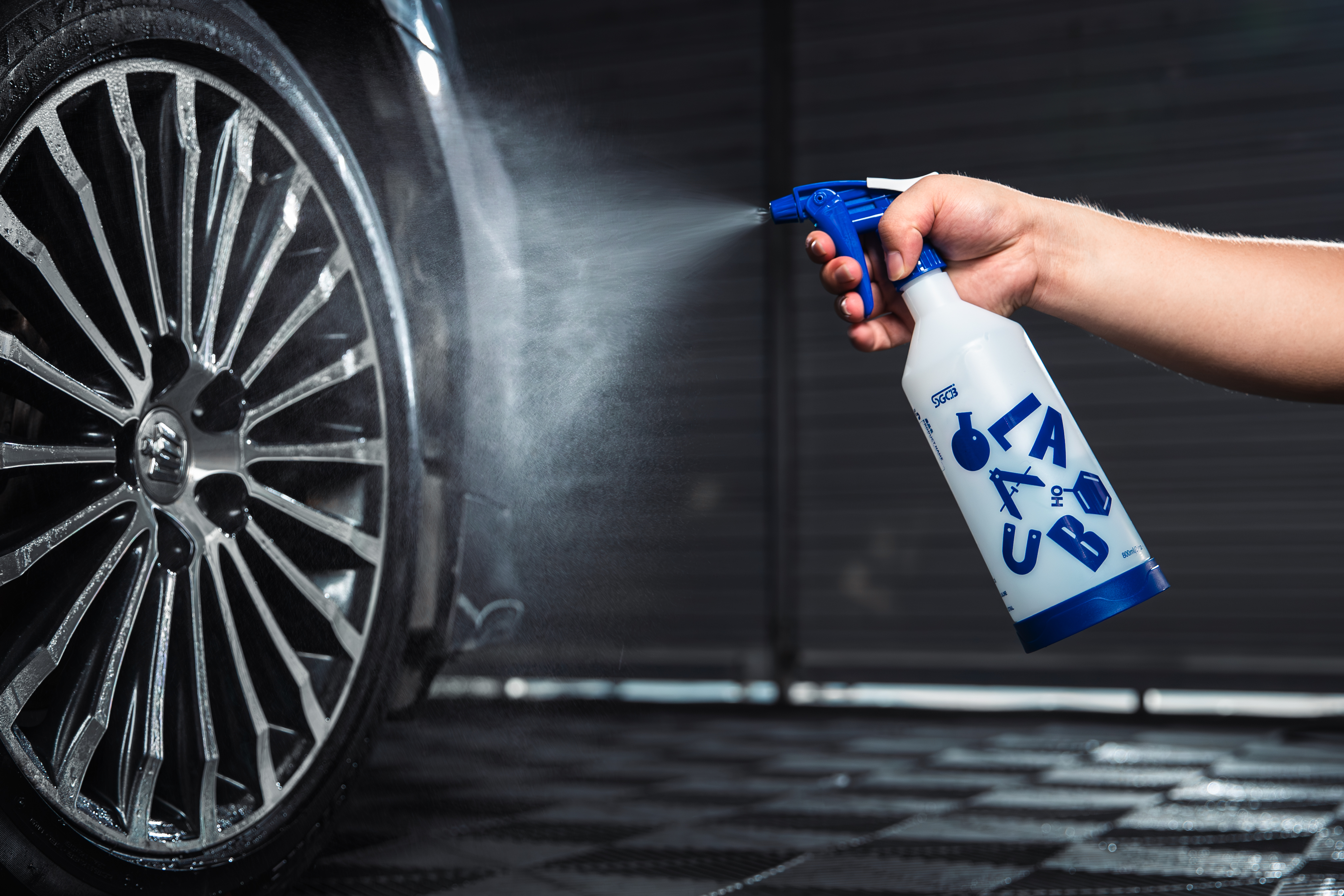
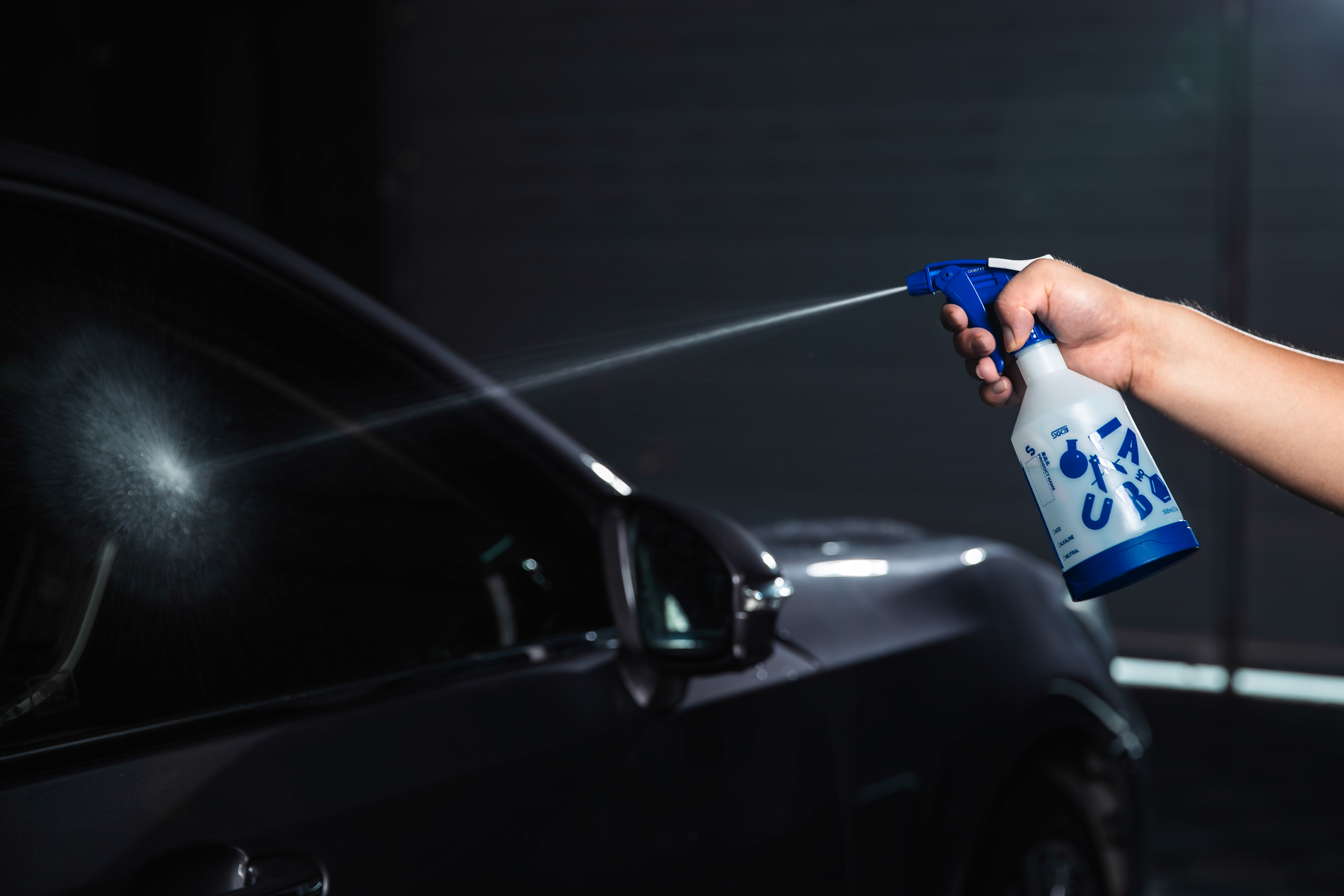
Fine mist and direct spray describe different ways of controlling liquid on a surface
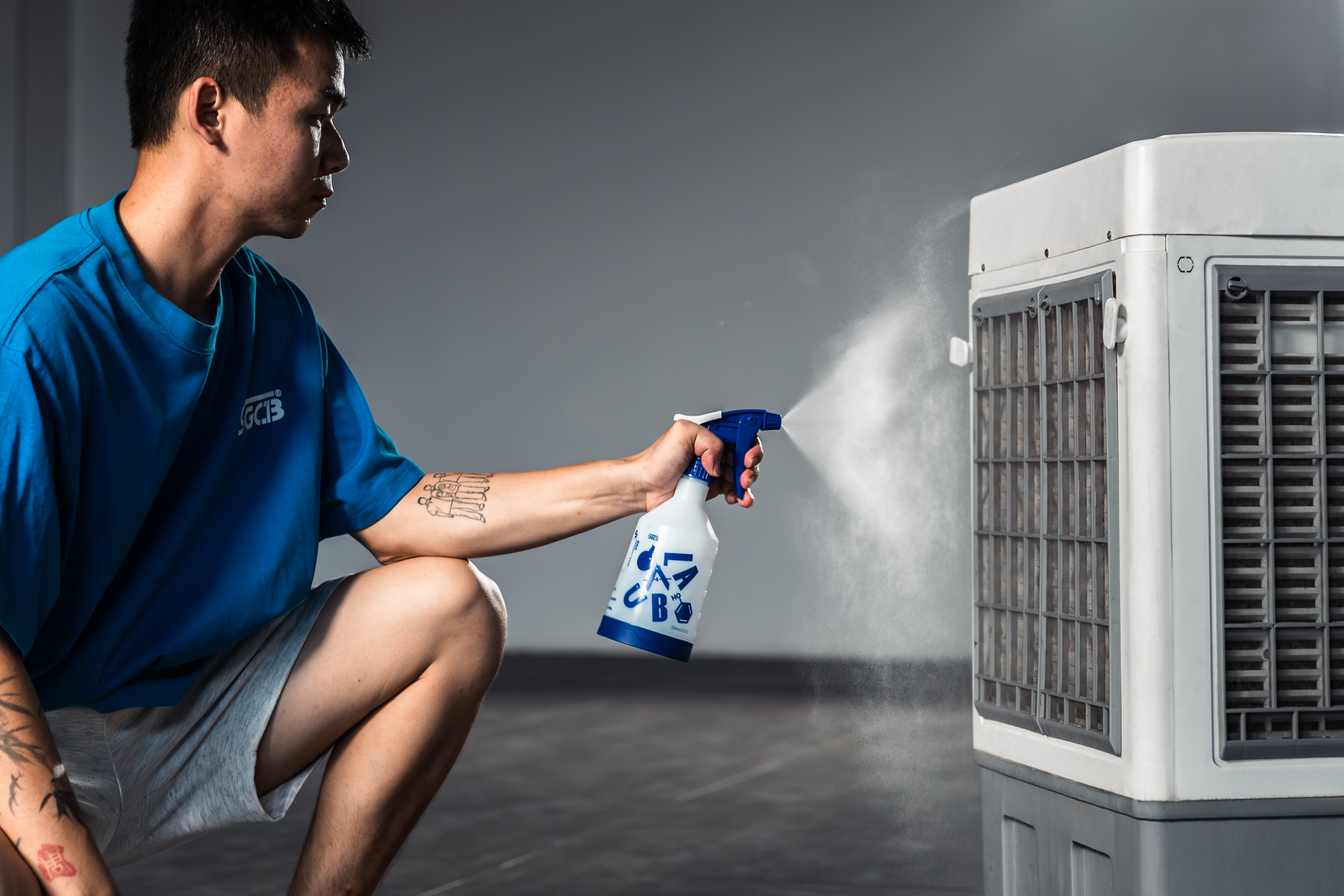
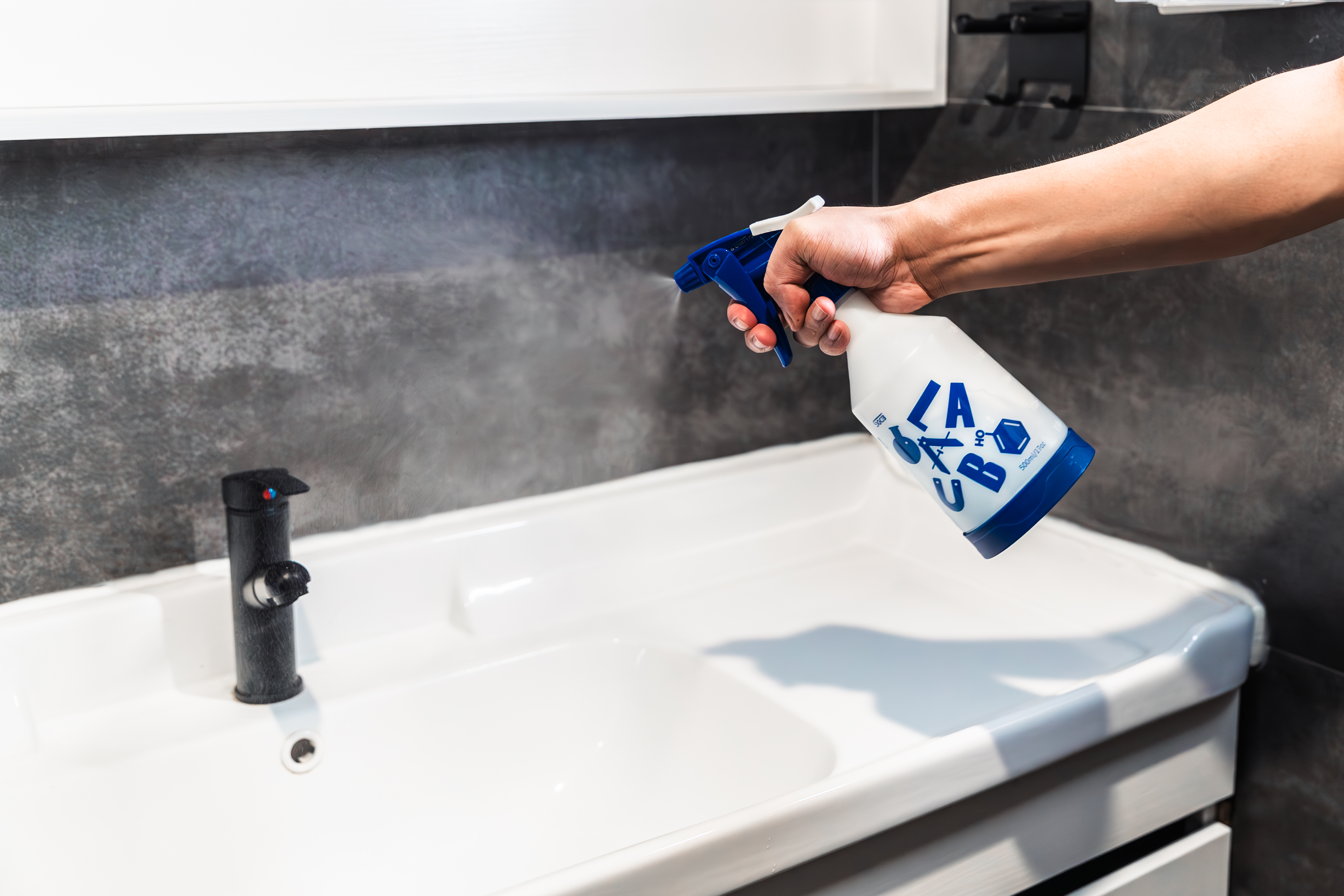
A fine mist spray bottle is usually understood as a tool for spreading small droplets across a wider area with lighter contact. In automotive cleaning, that can make sense when the task benefits from even wetting rather than concentrated force. A mist pattern may help describe glass cleaner, interior cleaner, pre-treatment liquid, or a light care product when the user wants a controlled layer across a panel, trim area, seat section, or dashboard zone. The main idea is not that mist is automatically more advanced. It is that mist changes the relationship between coverage and liquid volume: the user is trying to cover more surface with less localized saturation, while still following the liquid’s own directions for dwell time, wiping, dilution, and ventilation. A direct spray bottle points the liquid in a narrower, more forceful stream or concentrated pattern. That wording is easier to understand for localized work, such as aiming at a wheel spoke, a lower rocker-panel mark, a gap around trim, or a visible spot that needs more focused wetting before agitation. Direct spray is not simply the opposite of quality; it is a different control choice. It can reduce overspray when the editor wants to describe targeting, but it may be less suitable for language about gentle broad coverage. For B2B automotive care content, the most accurate comparison is therefore not “fine mist versus direct spray: which is better?” It is “which pattern fits the surface, the soil, and the liquid instructions?” This keeps terms like fine mist, direct spray, and spray bottle with uniform atomization within a practical use boundary instead of turning them into unconditional performance promises. Uniform atomization adds another layer. It suggests the spray is intended to distribute liquid consistently, but it should not be rewritten as a fixed droplet size, spray width, coverage percentage, or laboratory-tested result unless those values are disclosed. In real cleaning work, viscosity, dilution, surfactants, trigger pressure, nozzle condition, bottle angle, and remaining liquid volume can all affect the visible spray. That is why a careful product description can say a bottle is designed for uniform atomization when that wording is present, but should avoid implying identical spray behavior across every detergent, disinfectant, dressing, or automotive care solution.
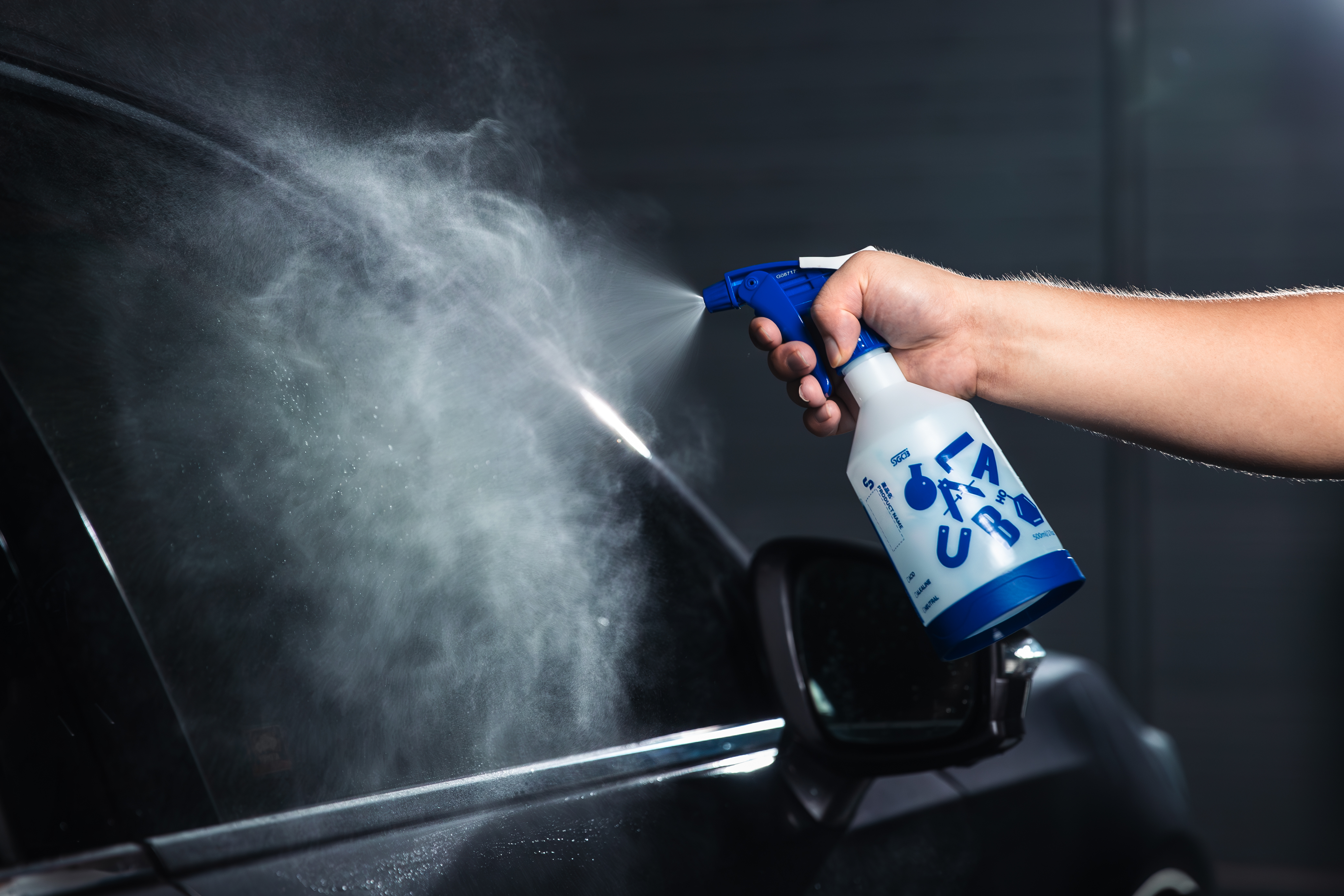
Automotive cleaning areas change which spray pattern is easier to understand
A spray pattern becomes meaningful only after the cleaning area is named. Automotive care involves large painted surfaces, glass, wheels, tire areas, door jambs, interior plastics, fabric, leather-like surfaces, and narrow seams. Each area changes what “good spray” means. Wide panels often reward a softer, more distributed application because the user wants to wet the surface without creating heavy runs. Wheel and trim work often rewards a more targeted application because the user wants liquid to land in a specific place before brushing or wiping. This is why spray wording should follow the area, not lead the claim.
Wider surface coverage favors mist language only when the liquid instructions allow it
Mist wording fits large or moderately broad surfaces when the liquid is intended to be sprayed and spread. For example, an editor may describe a fine mist spray bottle as helpful for controlled coverage on exterior panels, glass sections, or interior surfaces where the goal is even wetting before wiping. The boundary is important: the liquid label or technical instructions still decide whether spraying is appropriate, how much ventilation is needed, whether dilution is required, and whether the liquid should be applied to a towel instead of directly to the surface. Cleaning and disinfecting guidance commonly emphasizes following product instructions and avoiding unsafe mixing, which is why mist should not be framed as a universal delivery method for every cleaner. The spray pattern describes how liquid leaves the nozzle; it does not override the chemistry, surface compatibility, or safety instructions of the liquid.
Localized cleaning tasks make direct spray easier to describe without overclaiming
Direct spray wording fits content about aiming, spot treatment, and tighter application control. In automotive cleaning bottles, that can include wheel faces, lug areas, tire sidewall zones, lower-body contamination, door jambs, and narrow crevices where broad mist might waste liquid or land on nearby surfaces. The phrase direct spray bottle can be useful because it signals a more focused delivery pattern, but it should still avoid exaggerated claims about cleaning power. A direct stream does not prove chemical strength, faster stain removal, or compatibility with high-risk liquids. It simply helps explain that the user can concentrate liquid on a smaller area when the cleaning task requires more precise placement. For editors, this distinction is valuable because it lets the copy sound specific without turning the spray pattern into a guarantee of cleaning outcome.
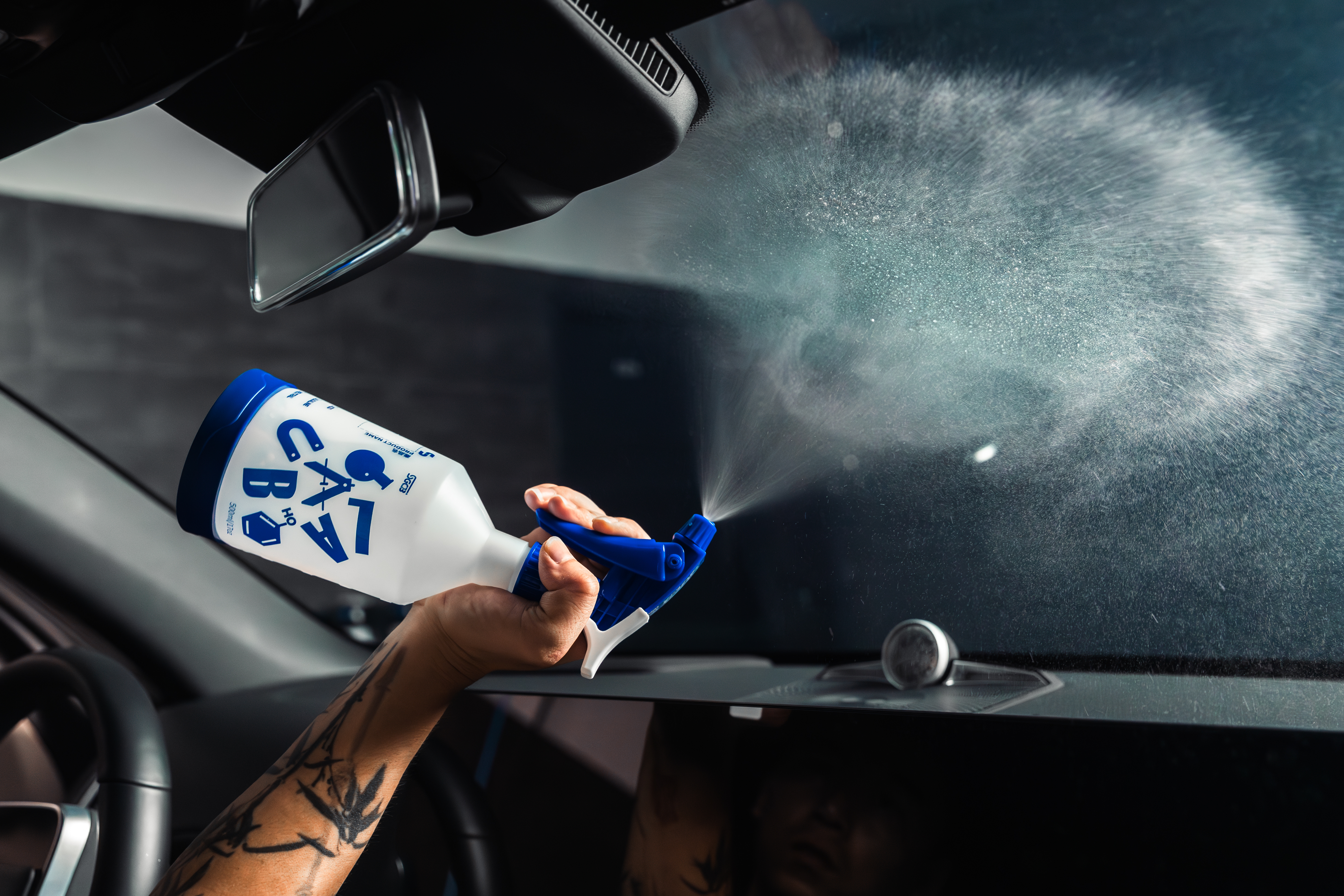
Uniform atomization and enhanced water spray should stay within product page evidence
The SGCB Spray Bottle 2.0 Pro is a useful example of how to handle spray wording conservatively. SGCB describes the bottle with a professional nozzle structure, uniform atomization, enhanced water spray, mist spraying, direct spraying, and multi-angle use. Those phrases are enough to explain the product as an automotive cleaning bottle that supports both broader mist-style application and more focused direct spraying. For this article’s topic, the most relevant point is not capacity, bottle-neck fit, or purchasing language; it is how the spray terms help readers understand delivery shape. The same example also shows where copy should stop. The available product information does not disclose nozzle adjustment positions, droplet particle size, spray width, coverage rate, atomization test method, or a measured comparison between liquids. Therefore, “uniform atomization” should remain a description of intended spray consistency, not a quantified engineering result. “Enhanced water spray” should remain a product wording cue, not a promise that water, diluted cleaner, interior dressing, disinfectant, garden liquid, and every automotive care solution will produce the same spray shape. This distinction matters because product editors often reuse spray wording across catalog descriptions, landing pages, and training materials. A small overstatement can quickly become a broad claim across many pages. Liquid instructions are the other boundary. External cleaning safety references are useful for general principles: read labels, avoid unsafe mixing, store household products properly, and use SDS information where chemical hazard details are needed. They do not prove the physical spray performance of a specific bottle. They also should not be used to imply that an automotive cleaning bottle is approved for bleach, strong disinfectants, flammable liquids, high-temperature liquids, food contact, or highly corrosive chemicals. When writing about fine mist and direct spray, the safer and clearer method is to separate three facts: what the bottle description says about spray modes, what the liquid instructions say about application, and what remains untested or unpublished. That gives the reader a practical understanding without weakening the content with vague disclaimers.
Conclusion
Fine mist and direct spray patterns are best understood as two forms of liquid control in automotive cleaning bottles. Mist language supports wider, lighter coverage when the liquid instructions allow spraying across a surface. Direct spray language supports more localized placement for wheel, trim, gap, or spot-cleaning tasks. Uniform atomization and enhanced water spray can describe intended spray behavior, but they should not be expanded into fixed droplet size, spray width, or equal results with every cleaning liquid. For accurate automotive care content, keep spray claims tied to surface area, liquid directions, and visible product evidence.
FAQ
Q:What is the difference between fine mist and direct spray in automotive cleaning bottles?
A:Fine mist spreads smaller droplets across a broader area, so it is easier to describe for light, even surface coverage when the liquid instructions allow spraying. Direct spray sends liquid in a more focused pattern, making it easier to describe for localized areas such as wheels, trim gaps, lower-body marks, or spot cleaning. Neither pattern is automatically better; each one matches a different control need.
Q:Does uniform atomization mean the same spray result with every cleaning liquid?
A:No. Uniform atomization can describe the bottle’s intended spray consistency, but the actual spray can still change with liquid viscosity, dilution, nozzle condition, trigger pressure, bottle angle, and the type of cleaning solution. Unless measured droplet size, spray width, or test data are provided, it should not be written as identical performance across every liquid.
Q:Why should spray pattern claims be read together with liquid instructions?
A:A spray pattern only explains how the bottle delivers liquid; it does not decide whether a cleaner should be sprayed, diluted, ventilated, wiped immediately, or kept away from certain surfaces. Product labels and SDS information help define safe use, storage, hazards, and handling requirements, so spray claims should stay connected to those instructions instead of replacing them.
Sources / References
Cleaning and Disinfecting with Bleach
Household Products: MedlinePlus
CCOHS: WHMIS - Safety Data Sheet (SDS)
Related Examples
SGCB Spray Bottle 2.0 Pro


