Introduction: Product editors need clear tool terminology when writing paint correction pages for B2B buyers, suppliers, and detailing equipment listings.
In auto detailing content, small wording changes can move a product into the wrong category. A random orbital polisher, a dual action polisher, and a cordless rotary tool may all be handheld powered tools, but they do not create the same buyer expectation. For product content editors working with cordless dual action polisher suppliers or random orbital polisher suppliers, the goal is not to make every phrase sound technical. The goal is to describe motion, power source, and product category accurately enough that a buyer understands what is being offered before they compare specifications, accessories, or supplier options.

Paint correction buyers often scan a product page quickly. They look for the polishing action, backing pad size, speed range, battery system, and whether the tool fits their detailing workflow. If the description calls a random orbital polisher a “cordless rotary tool,” the reader may assume a different motion pattern and a different use case. That matters because a rotary term normally points to direct rotation, while random orbital wording points to an orbiting movement pattern used in many paint correction and finishing tasks. Both belong to the wider world of powered hand tools, but they are not interchangeable product names. For B2B editors, the confusion usually starts because the words sound close in everyday writing. “Cordless” describes the power format. “Brushless” describes a motor-related structure. “Dual action” and “random orbital” describe the polishing movement. “Rotary” describes a different rotational wording family. When those layers are mixed, the page may still sound fluent, but the category becomes unclear. A buyer comparing cordless brushless polisher listings may not know whether the supplier is offering a random orbital polisher, a rotary polisher, a general handheld tool, or a compact rotary accessory tool. This is especially important in supplier-facing SEO content. Keywords such as cordless dual action polisher suppliers and random orbital polisher suppliers can attract commercial readers who compare product pages across multiple factories, brands, and equipment distributors. These readers are not only looking for attractive copy. They need terminology that supports internal listing, catalog translation, retail upload, training materials, and sales communication. If a product name changes from random orbital to rotary in one paragraph, the buyer may treat it as a specification conflict rather than a harmless synonym. The practical editing rule is simple: do not let the power source replace the motion type. A cordless random orbital polisher is still a random orbital polisher. A cordless brushless polisher is not automatically a rotary tool. A dual action polisher should be described through its dual action or random orbital movement only when that movement is actually part of the product information. The SGCB cordless brushless 5 inch dual action random orbital polisher is a useful example because its visible name and specifications point to a cordless, brushless, 5 inch dual action random orbital polishing machine, not a cordless rotary tool.

The cleanest way to separate these terms is to assign each phrase to the decision it actually helps the buyer make. “Random orbital polisher” helps the reader understand movement. “Dual action polisher” also helps describe the movement family, especially when the product combines pad rotation with an orbital path. “Cordless brushless polisher” helps the reader understand power format and motor-related construction. “Cordless rotary tool” should remain a comparison term unless the actual product is sold as that category. This separation keeps a product page readable without turning every paragraph into a technical manual. Rotary wording has a different implication because rotation is a fundamental mechanical concept. In general engineering terms, rpm relates to rotational speed, and rotation connects to angular motion, power, and torque. That background can help editors understand why “rotary” is not just a decorative adjective. When a product is described with 2000-5000 rpm, the rpm figure explains speed measurement, but it does not automatically turn a random orbital polisher into a rotary tool. Speed range, pad size, and battery voltage are specifications; they do not override the named polishing action. Random orbital and dual action terms should also avoid exaggerated effect promises. A random orbital movement may be used in paint correction, waxing, sealing, and finishing workflows, and some pages may describe it as helping reduce hologram or burn-mark risk compared with a rotary-style approach. That should not become an absolute claim that every surface is safe, every scratch can be removed, or all swirl marks are prevented. For editors, the better commercial value is accuracy: the tool category is clear, the buyer can match it to the intended detailing task, and the supplier does not appear to be using multiple product names for the same SKU. For SGCB wording, the product can be described as a cordless brushless 5 inch dual action random orbital polisher with visible specifications such as 20V, 5.0Ah, 125mm backing pad, 15mm random orbital adapter size, and 2000-5000 rpm. The same content should not rename it as a cordless rotary tool. If a comparison is needed, rotary wording can appear in a sentence that explains contrast: for example, the product belongs to the dual action random orbital polisher category rather than a rotary tool category. That kind of phrasing helps B2B readers understand the boundary without creating a new product claim.

A product page does not need heavy technical wording to be accurate, but it does need stable category terms. The following mistakes are common when editors rewrite supplier copy, translate catalog text, or adapt product details for marketplaces. Each one changes buyer perception in a different way, so the correction should focus on the exact layer being described: motion, power source, motor construction, or commercial sourcing term.
These mistakes are not only editorial problems. They affect how a product is indexed, compared, quoted, and discussed between teams. A sales team may use the page title in an RFQ reply. A distributor may copy the specification into a marketplace listing. A trainer may use the category name in a detailing workshop document. Once the wrong term enters that chain, it can create avoidable questions about whether the product is a random orbital polisher, a rotary polisher, or a general cordless rotary tool. Clear wording protects the product category before buyers reach deeper questions about accessories, pricing, packaging, or supplier cooperation.
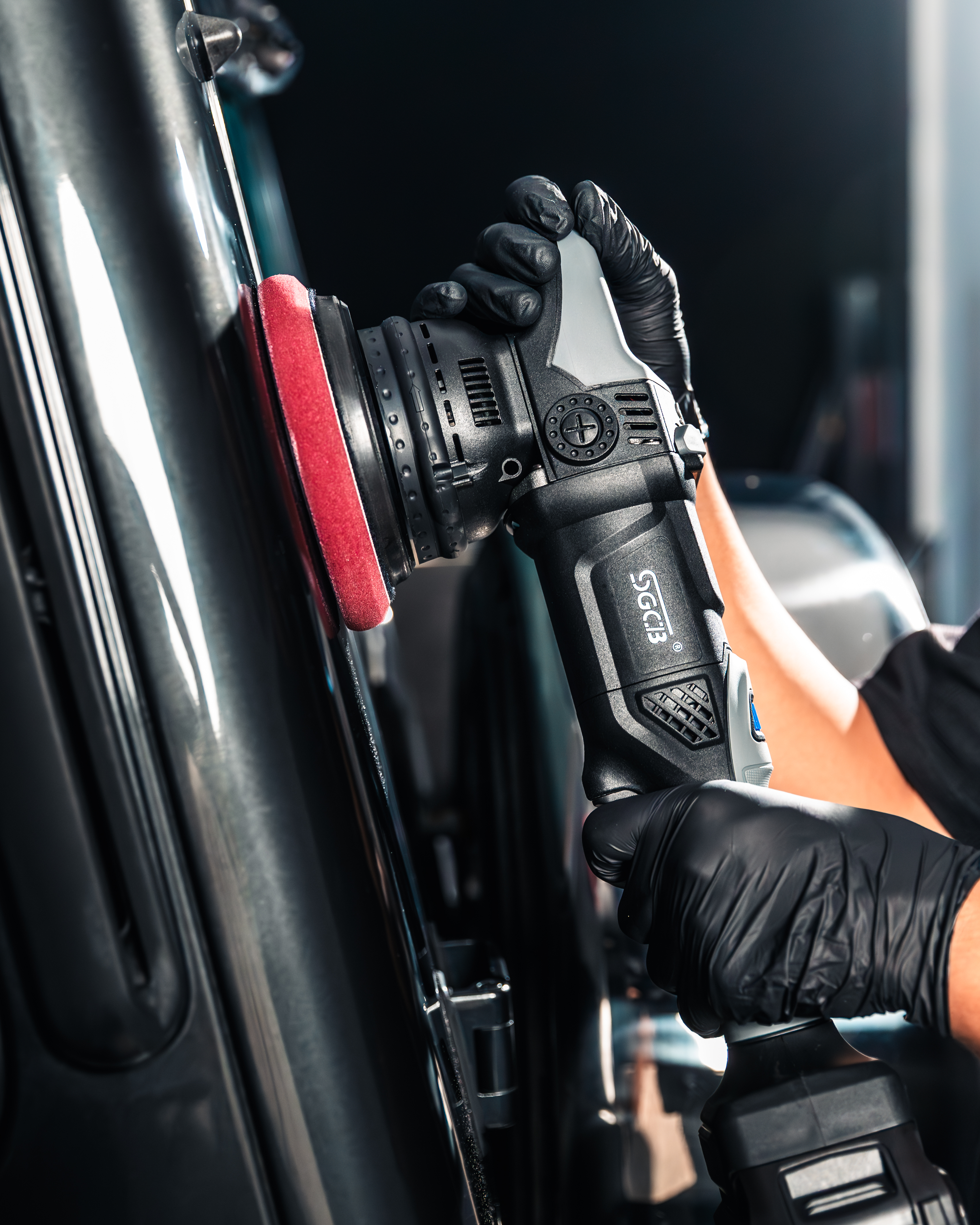
For paint correction content, random orbital, dual action, cordless, brushless, and rotary terms should not be blended just because they all describe powered polishing equipment. Each word answers a different buyer question. Random orbital and dual action describe movement, cordless describes power format, brushless describes motor-related construction, and cordless rotary tool should remain outside the SGCB product name unless a product is actually sold in that category. Editors preparing B2B product pages should keep the SGCB product wording close to its confirmed category: cordless brushless 5 inch dual action random orbital polisher. The next step is to review the SGCB product details directly, compare the visible product name with the specification fields, and keep rotary wording only where it is clearly used for contrast rather than replacement.
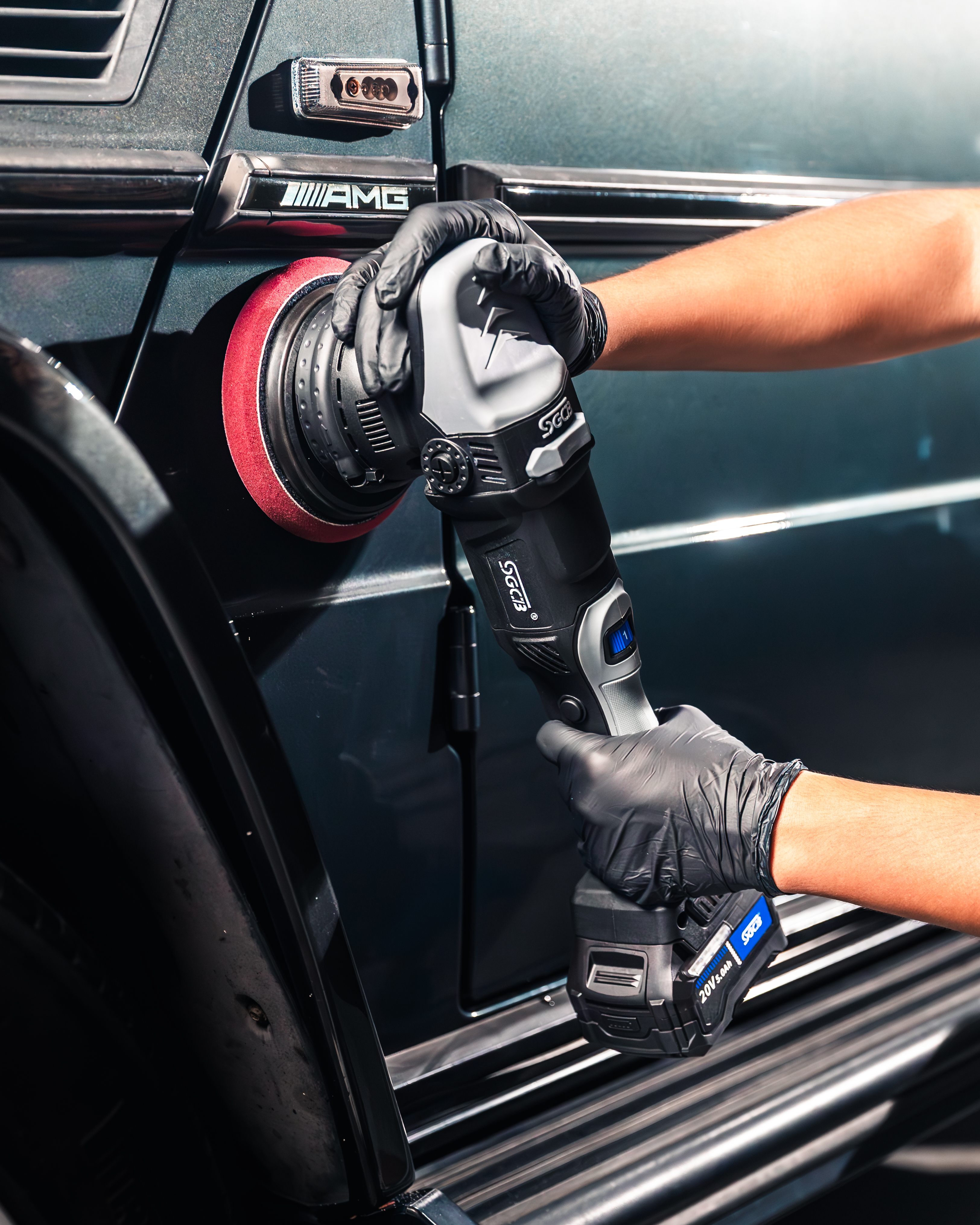
Q:Is a random orbital polisher the same as a cordless rotary tool?
A:No. A random orbital polisher describes a polishing movement pattern, while a cordless rotary tool points to a different handheld tool category and rotary wording family. A product may be cordless and still be random orbital. The power source does not change the movement category.
Q:Why should SGCB cordless brushless polisher content avoid rotary wording?
A:SGCB’s referenced product is presented as a cordless brushless 5 inch dual action random orbital polisher, so calling it a rotary tool can change the buyer’s expectation and create a category conflict. Rotary wording is acceptable only as a comparison term, not as a replacement product name.
Q:How should product pages describe dual action and random orbital polishers clearly?
A:Product pages should use dual action or random orbital wording for the movement type, cordless for the battery-powered format, brushless for the motor-related feature, and specific fields such as rpm, voltage, backing pad size, and orbit size for specifications. This keeps the category clear for B2B buyers and content teams.
CCOHS: Powered Hand Tools - Electric Tools - Basic Safety
Angular Motion - Power and Torque


