Introduction: Three procurement checks explain how 28/400 closures support refill consistency, leakage control and 800 ml detailing workflows.
Understanding the 28/400 Neck Finish
The notation 28/400 appears frequently in trigger sprayer and plastic bottle specifications, yet it is often treated as a guarantee of interchangeability. In practice, it identifies a neck-finish family that must be matched with the correct closure, gasket, dip tube and torque. For a detailing business, that distinction matters because a mismatch can turn a supposedly standard replacement into a leak, a loose head or an assembly that needs improvised modification.
Standardization is valuable because it reduces the number of bottle and trigger formats a purchasing team must hold. A distributor can replenish compatible components, a private-label program can reuse an approved bottle body, and a multi-site car wash can train staff on one closure system. These benefits are operational, not automatic: the chemical and the physical tolerance of the complete package still determine whether the system works.
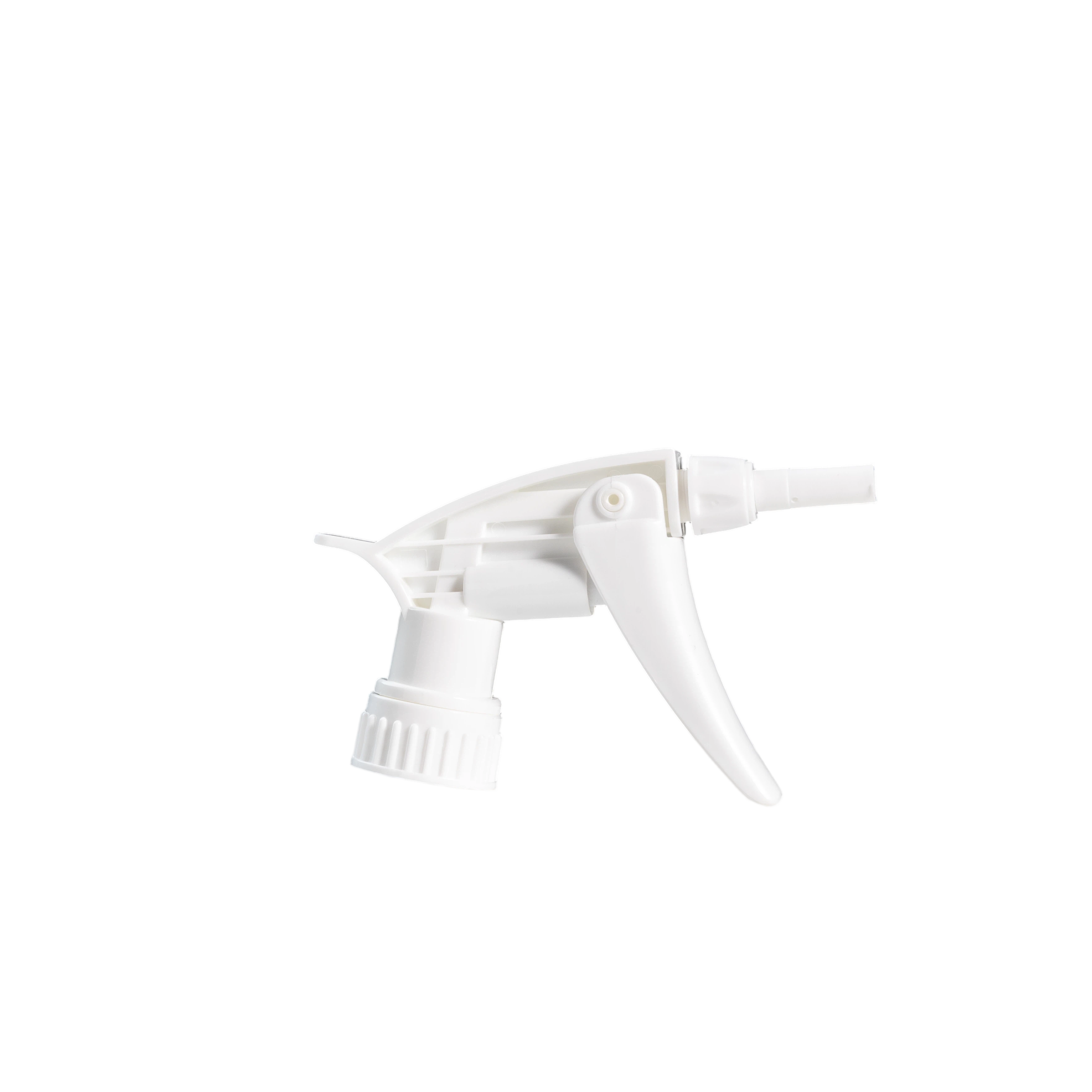
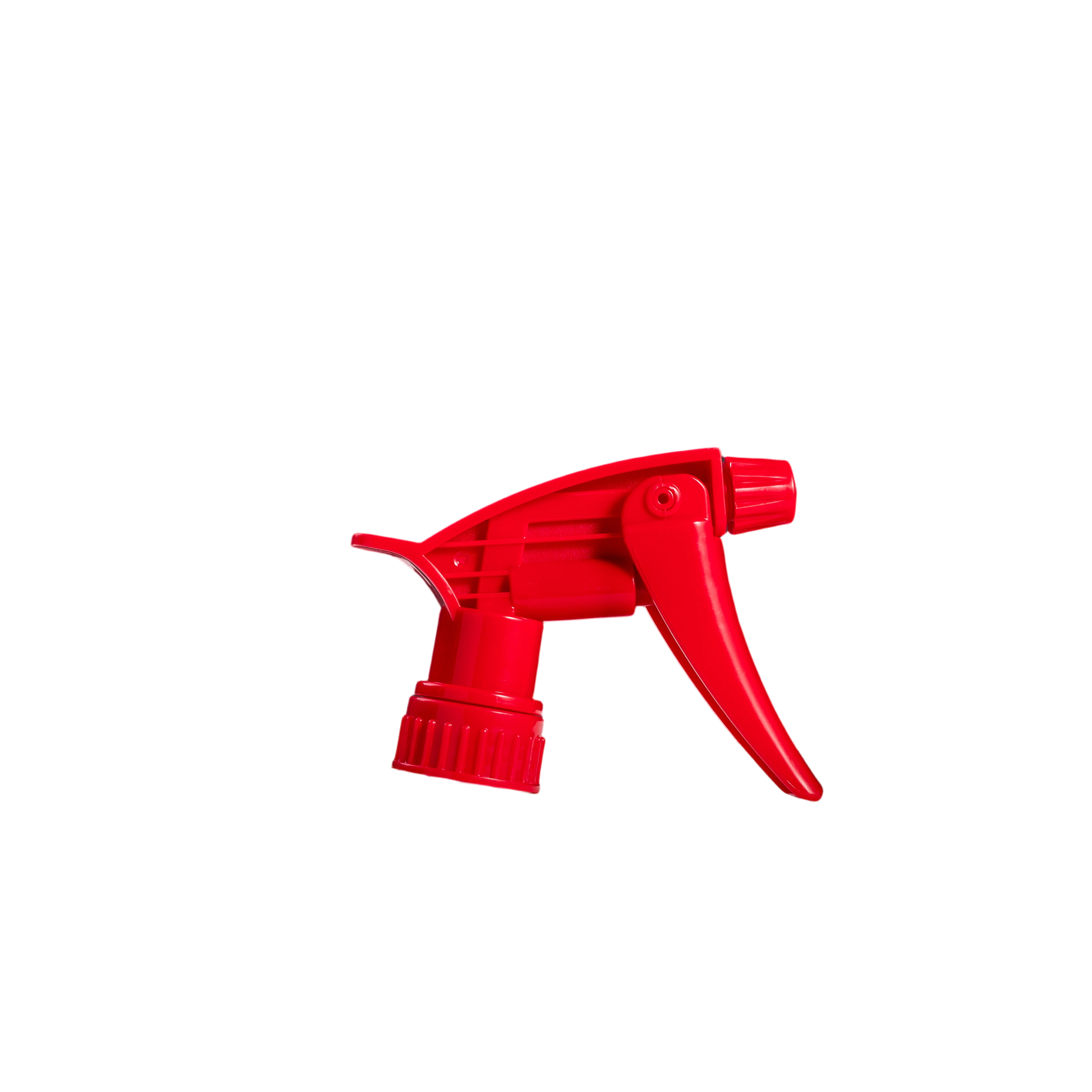
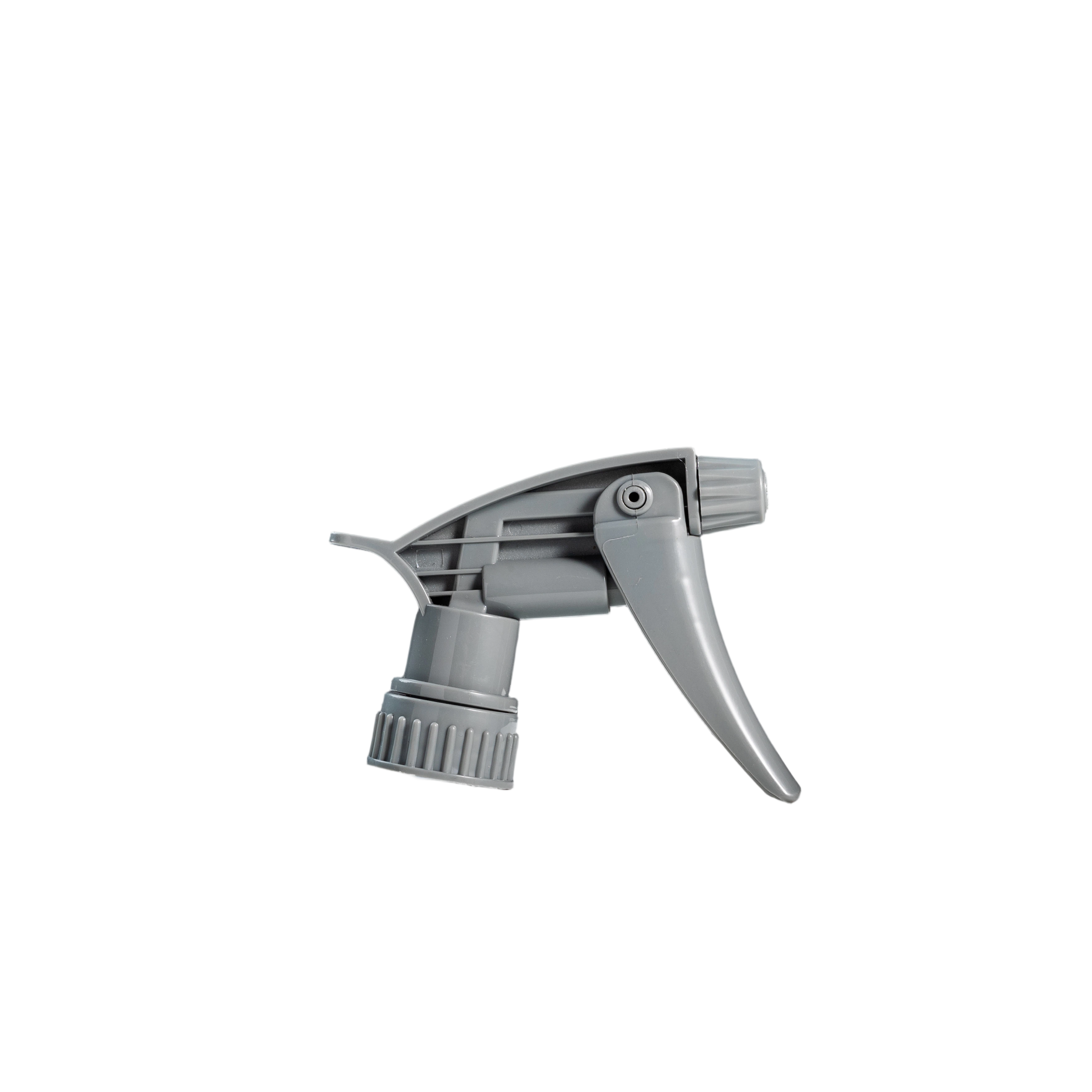
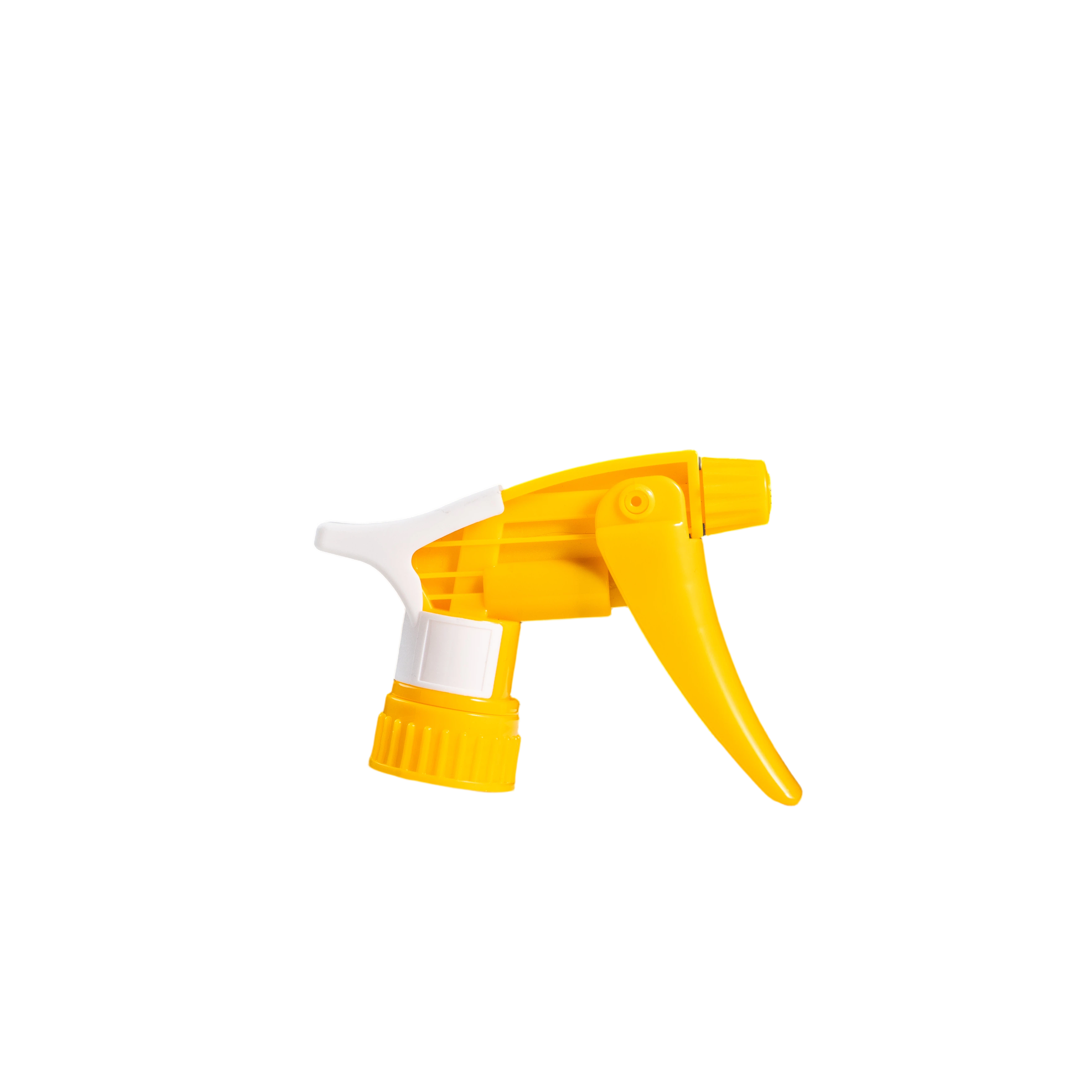
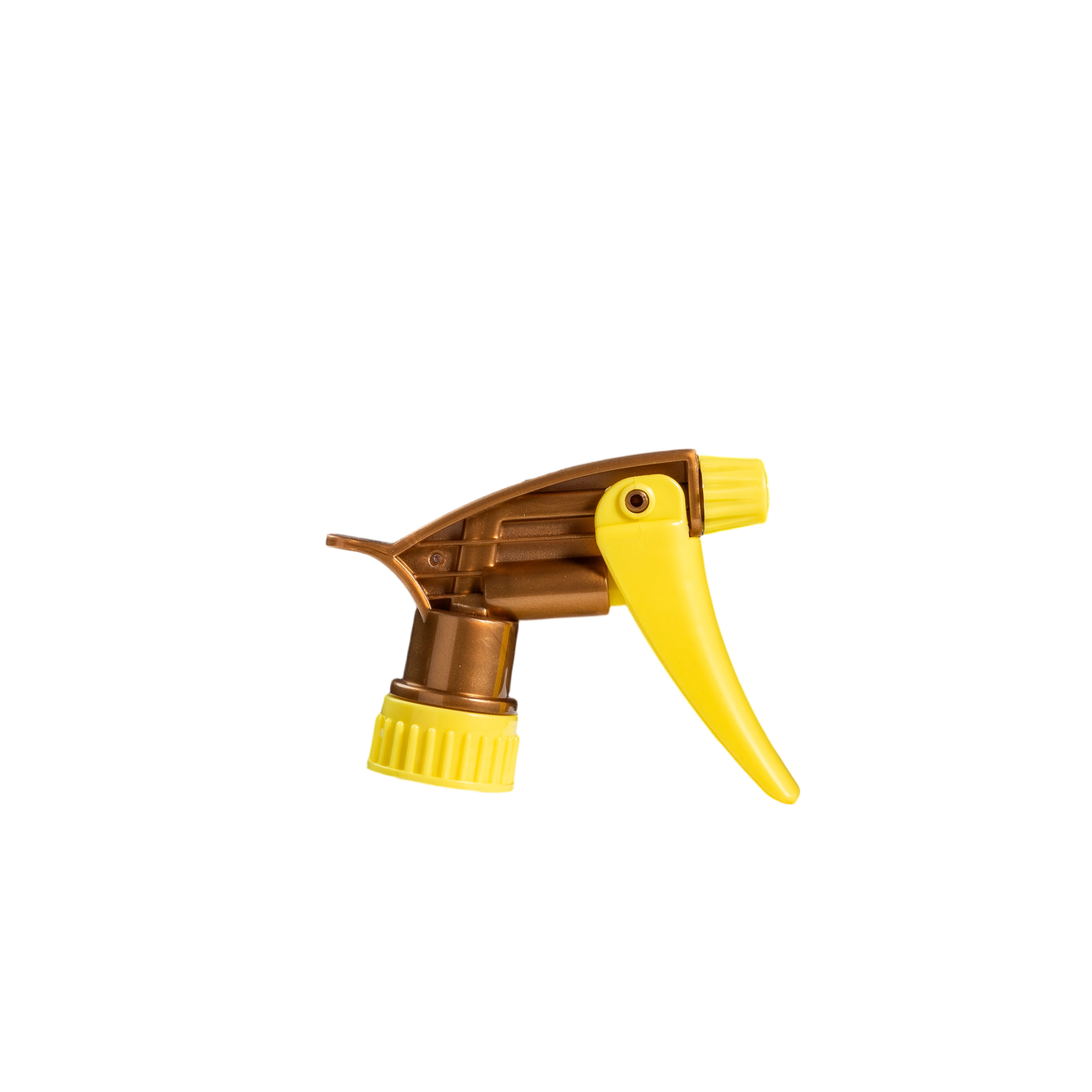
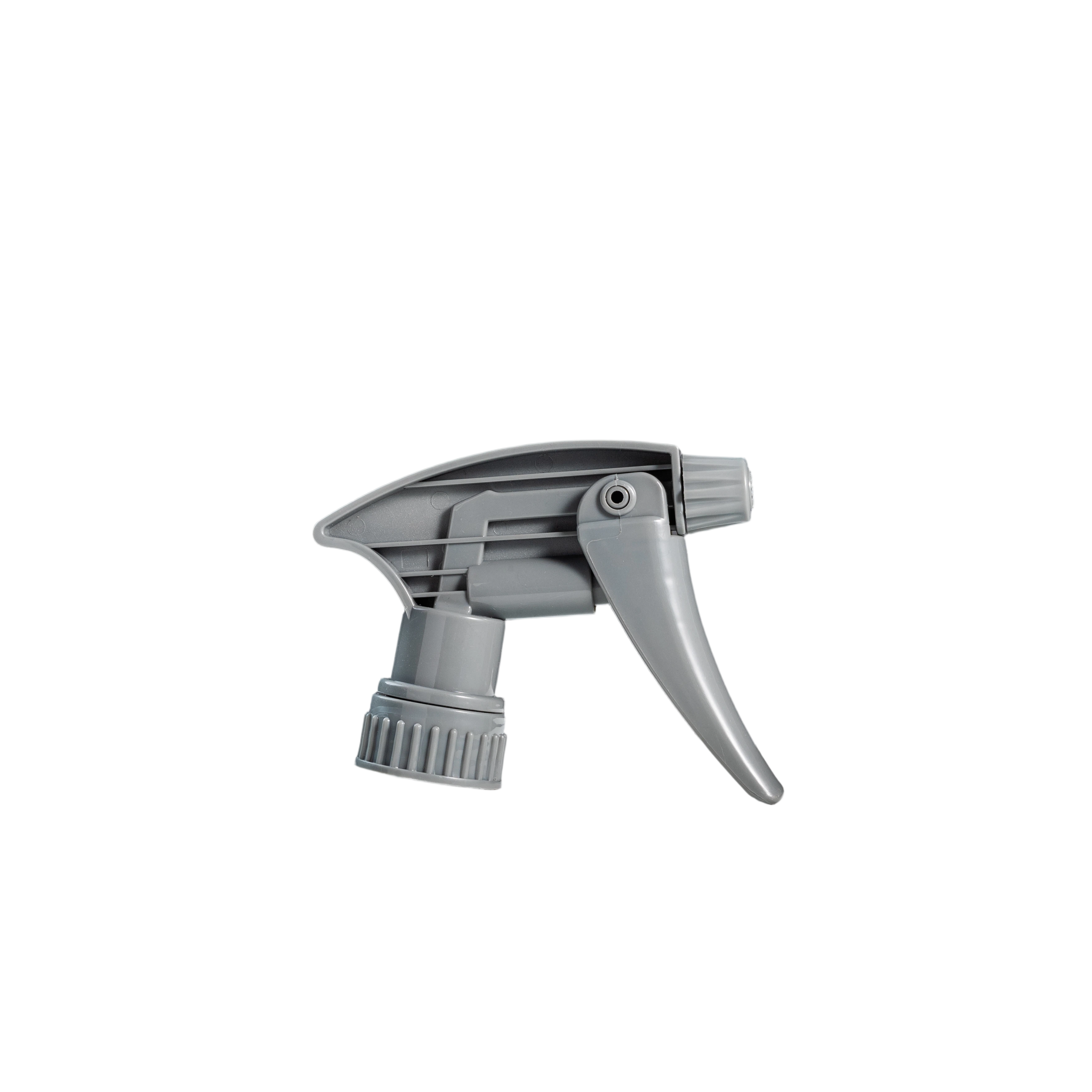
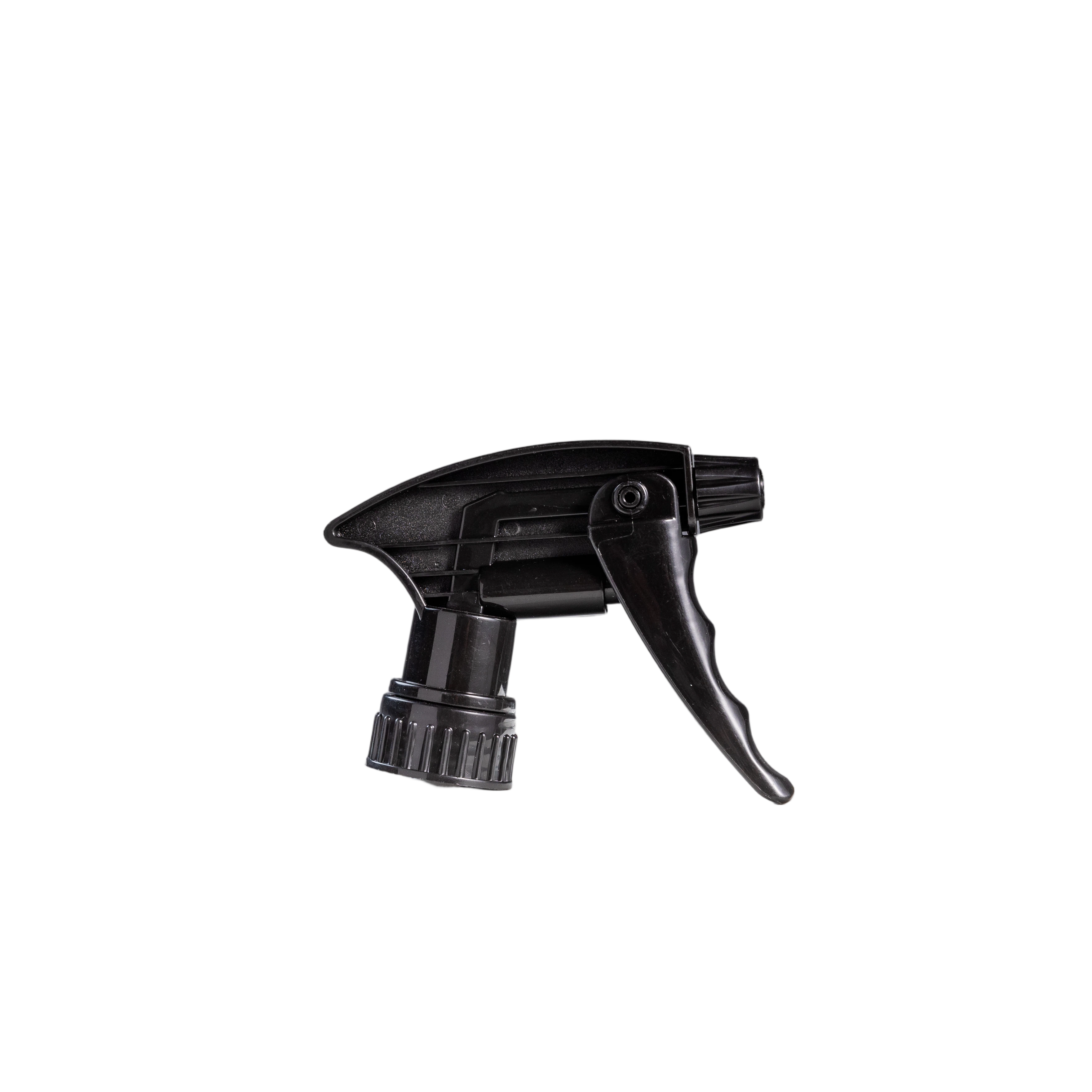
One illustrative example is the SGCB Spray Bottle 2.0 Pro, an 800 ml chemical-resistant trigger sprayer associated with the 28/400 neck-finish format. Its product information describes compatibility with commonly used plastic bottle bodies without modification. This example shows how a standardized closure can support procurement and replacement planning, although buyers should still complete sample-fit and chemical-exposure testing before approving a bulk order.
What the Two Numbers Represent
Diameter, Thread Style and Closure Fit
Packaging references use neck-finish notation to describe the opening and thread configuration at the top of a container. The first number generally relates to the nominal diameter in millimeters, while the second identifies the thread style or thread profile used by the closure. Suppliers may also specify thread turns, start and finish, bead geometry or tolerance. Buyers should request a dimensional drawing when the fit is critical.
Tolerance in Molded Parts
Small differences in mold wear, resin shrinkage or cooling can affect how a closure seats. A drawing defines the target, while a sample assembly confirms the production reality. This is why a nominal 28/400 statement should be paired with a lot-level fit and leak check.
Tolerance, Gasket and Closure Torque
Two parts can carry the same nominal designation and still need practical verification. The bottle neck may vary slightly by mold, resin, supplier or production lot. A gasket that is too hard, too soft or chemically incompatible can leak even when the threads engage. Excessive torque can damage the neck or deform the seal; insufficient torque can leave a path for liquid during storage or transport.
Replacement, Refill and Inventory Control
The commercial value of a standard neck finish is clearest in repeated workflows. A detailing chain can keep approved bottles, triggers and caps in a controlled list instead of buying a unique assembly for every chemical. A distributor can offer replacement heads without forcing customers to change the entire bottle. A private-label buyer can also separate the bottle, label and trigger decisions while retaining a known closure interface.
Where 28/400 Compatibility Helps Buyers
Automotive Detailing Chemical Repackaging
Car wash and detailing operations commonly move products from bulk containers into working bottles. A repeatable neck finish supports faster setup, but the team still needs a controlled label system that states the product name, dilution, hazard information and date of filling. The sprayer should be approved for the liquid, not only for the bottle dimensions.
Distributor and Private-Label Programs
For distributors, 28/400 can simplify SKU planning and replacement support. For private-label programs, it can make artwork and bottle sourcing more flexible. The procurement specification should list the exact resin, closure, gasket, dip-tube length, color, dip-tube cut and inspection method. A nominal thread alone is too thin a specification for a multi-lot program.
Multi-Color Chemical Classification
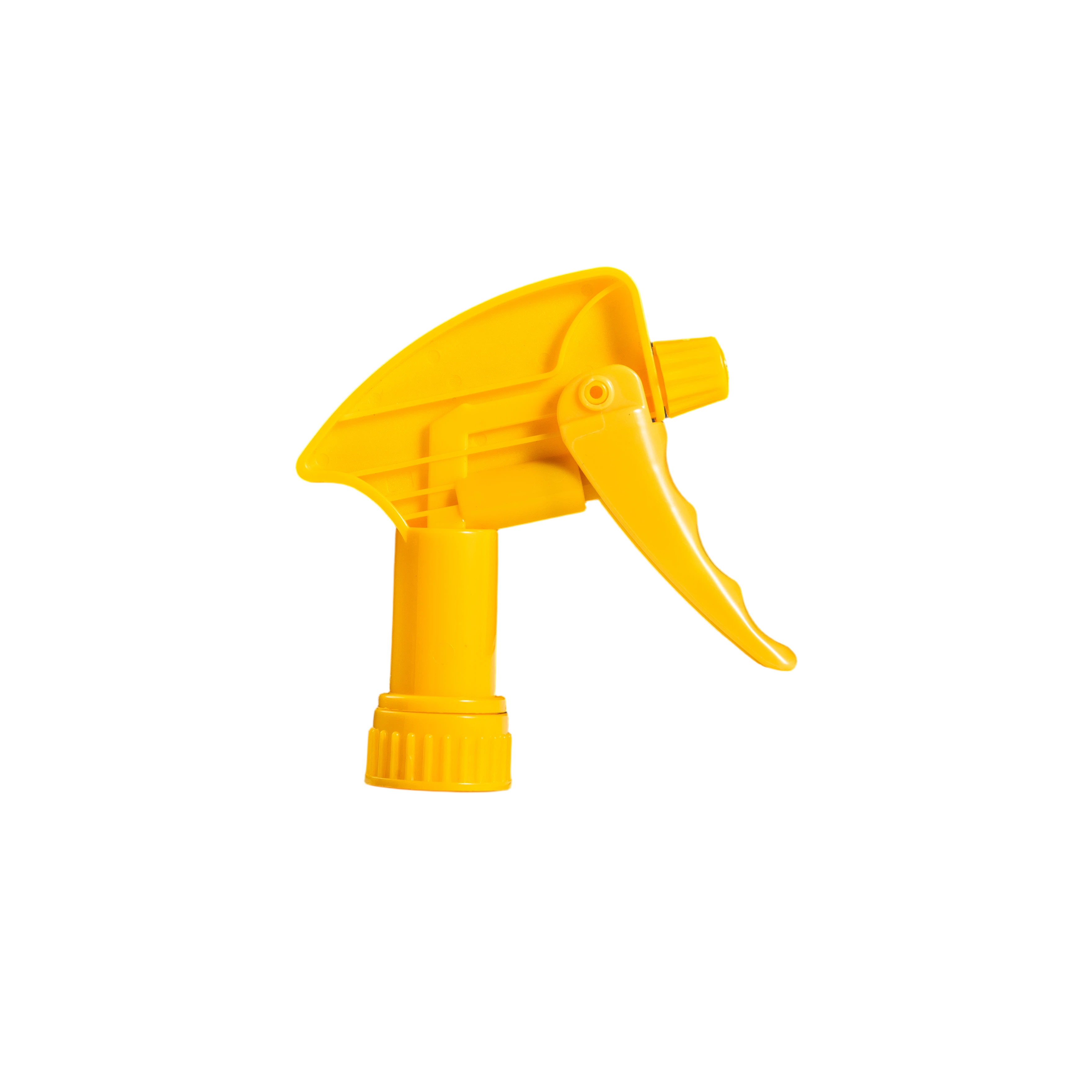
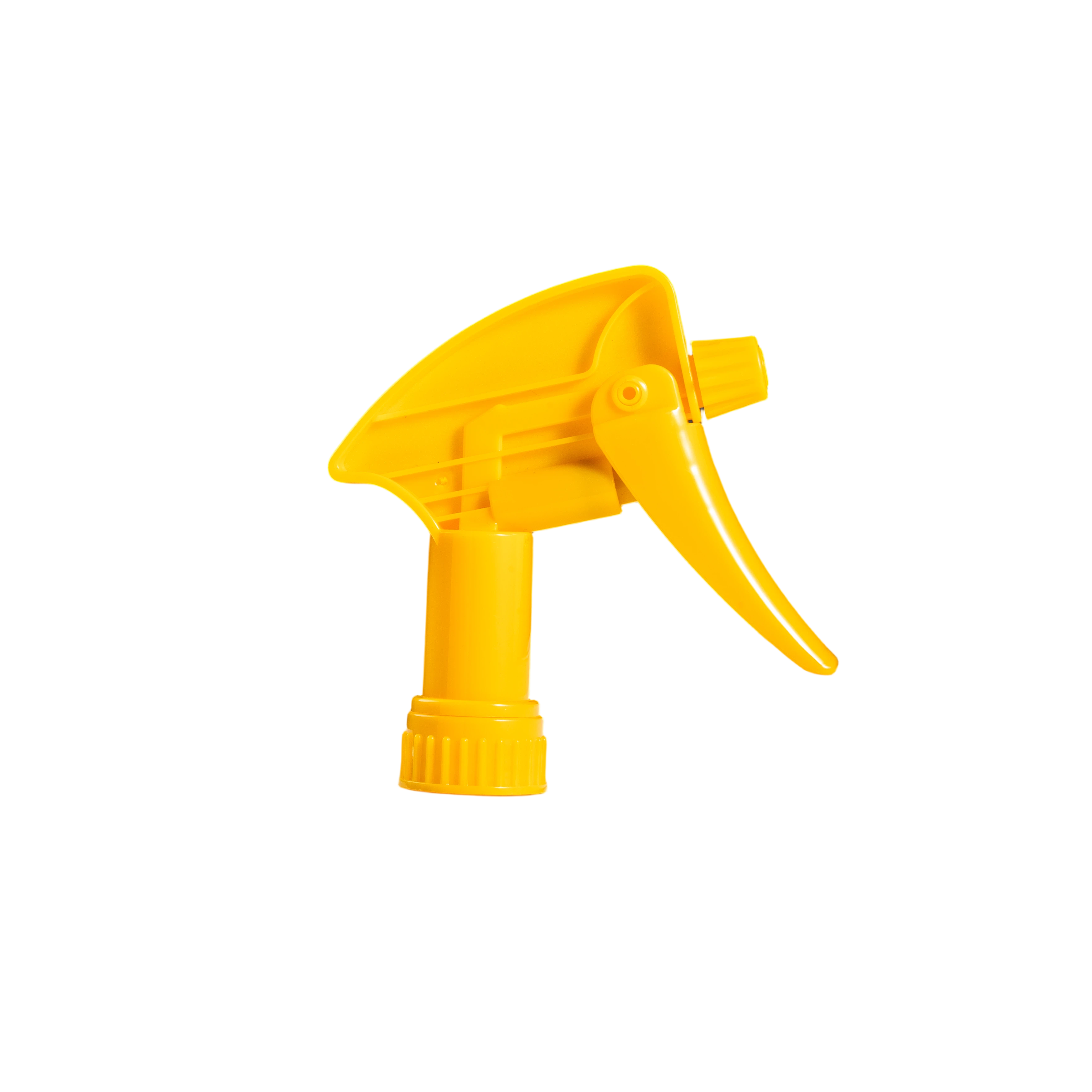
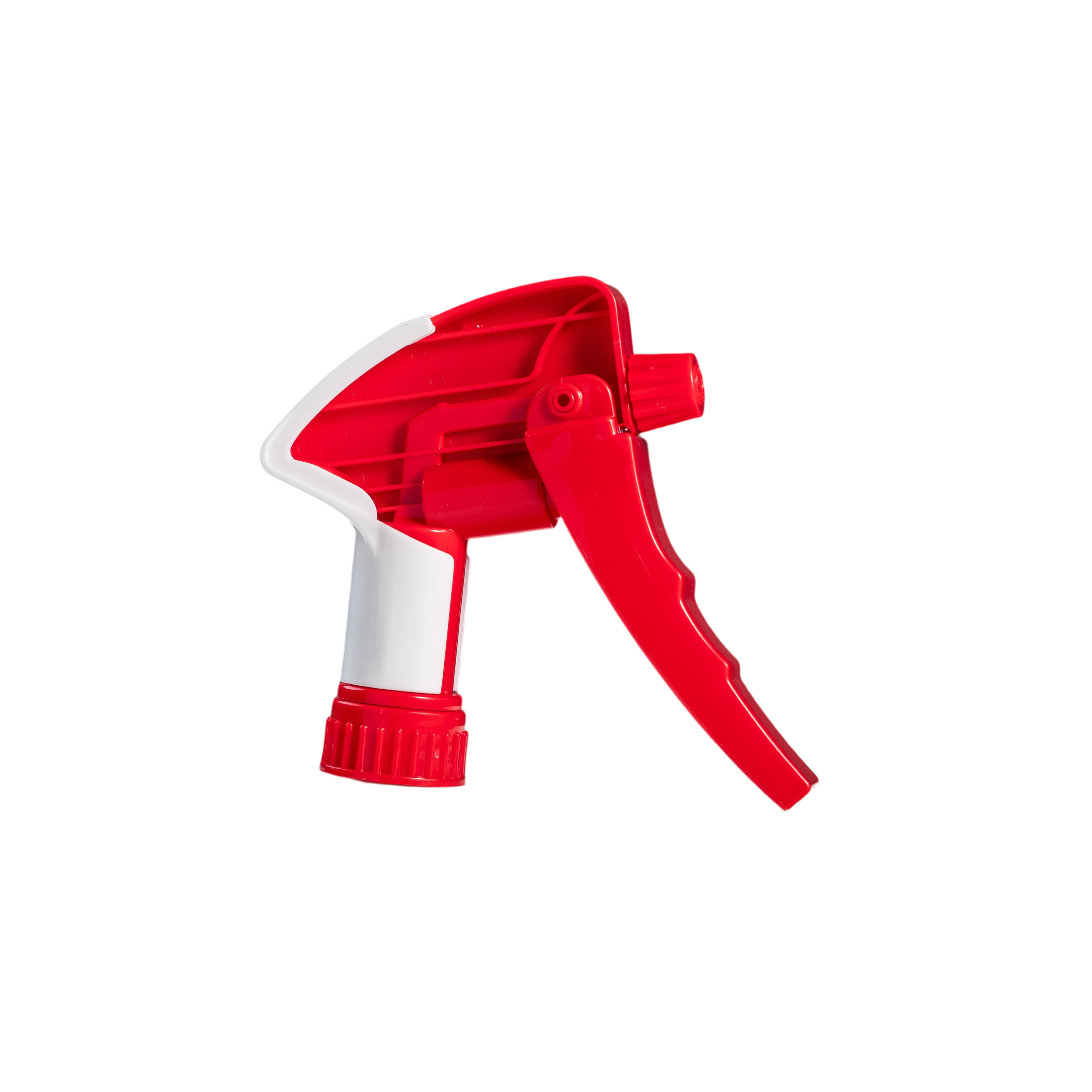
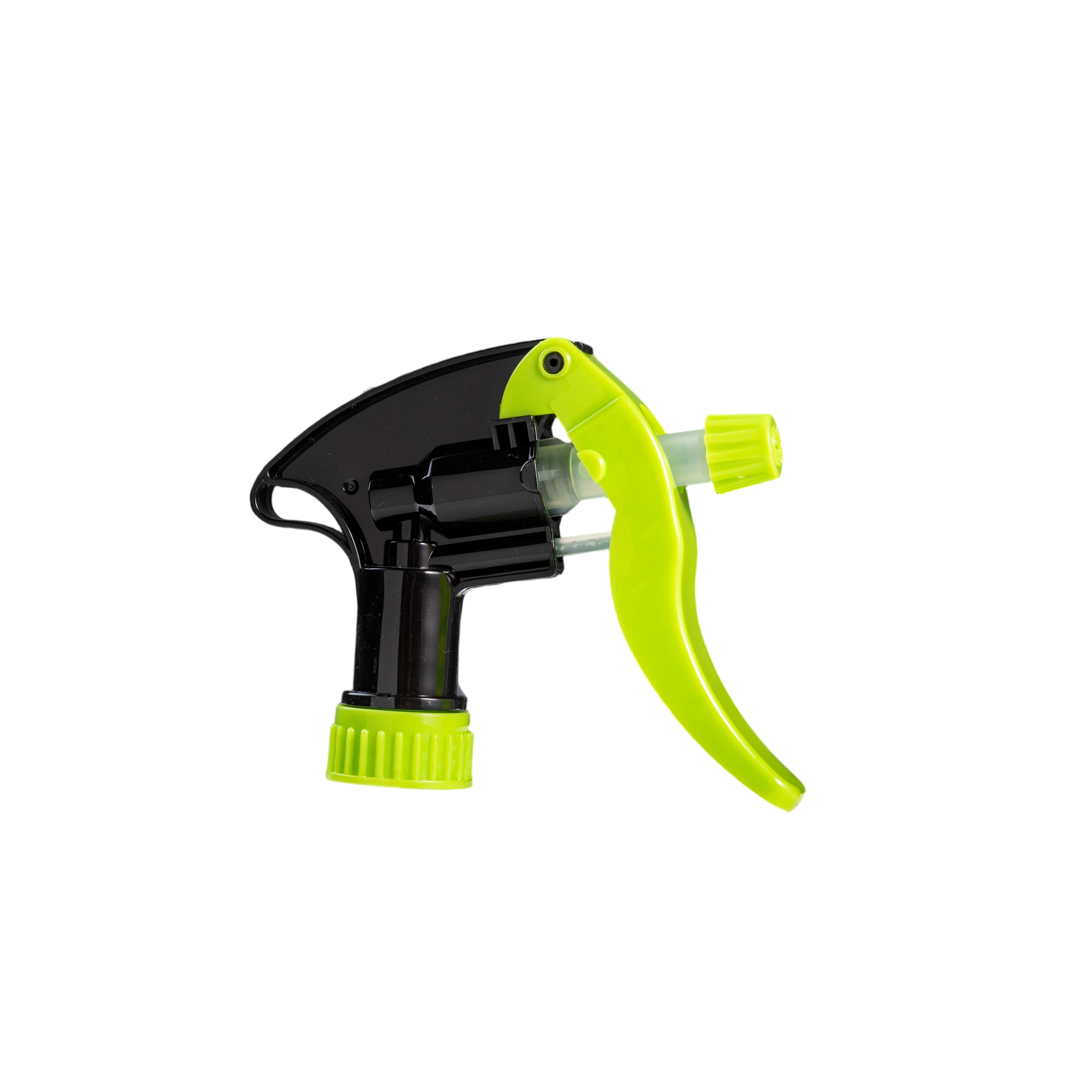
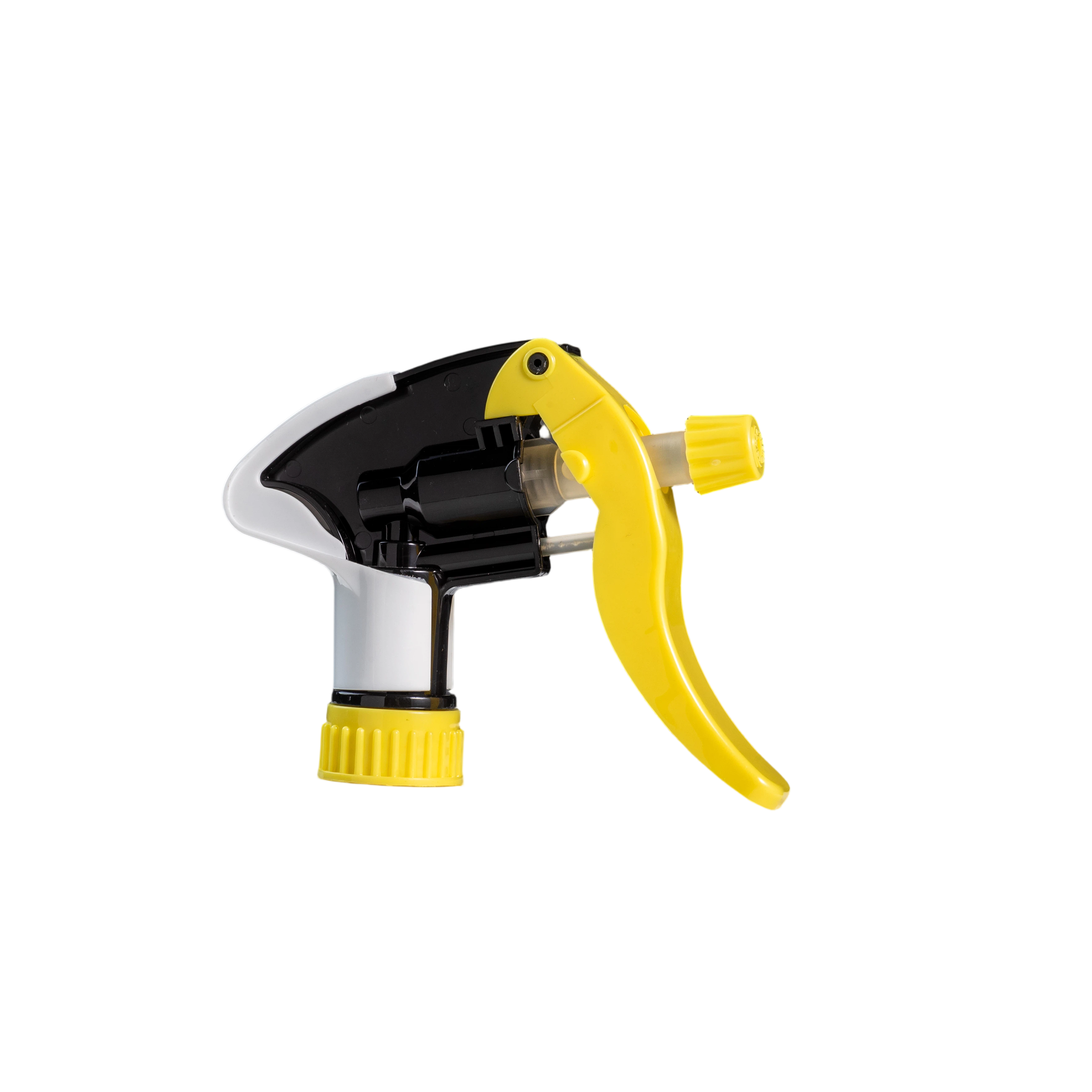
Color options can make a standardized closure more useful in a busy workplace. The SGCB Spray Bottle 2.0 Pro is listed in multiple colors, allowing a shop to assign visual categories to wheel, glass, interior or disinfecting products. Color is a human-factors aid, not a safety control. Written labels and the chemical SDS remain the authoritative identification layer.
A Procurement Compatibility Matrix
The matrix below keeps physical fit, chemical suitability and operating cost in the same decision. It is designed for procurement teams that need a traceable acceptance record rather than an informal promise that a component is universal.
|
Procurement check
|
Why it matters
|
Buyer verification
|
|
Neck-finish specification
|
Prevents a nominal mismatch
|
Confirm bottle and trigger both use 28/400 and request a drawing when needed
|
|
Gasket material
|
Controls leakage and chemical exposure
|
Test the actual liquid at the intended dilution and storage time
|
|
Dip-tube length
|
Supports usable product evacuation
|
Match tube length and cut to the bottle height and viscosity
|
|
Closure torque
|
Protects threads and seals
|
Define a tightening range and inspect samples at the line
|
|
Replacement availability
|
Reduces downtime
|
Confirm spare heads, bottles and approved alternate sources
|
|
Color and labeling
|
Reduces application errors
|
Assign colors, but require a durable written label and SDS access
|
Thread Standardization Does Not Equal Universal Compatibility
Packaging guides from Berlin Packaging and O.Berk show why neck-finish terminology should be read as a matching system. The thread may fit mechanically while the dip tube is too short, the shoulder interferes with the closure, or the gasket does not seal under the chosen torque. The practical rule is to verify the complete bottle-and-sprayer assembly with the intended chemical.
SGCB Spray Bottle 2.0 Pro as a Standardization Case
Stated 28/400 Thread and 800 ml Format
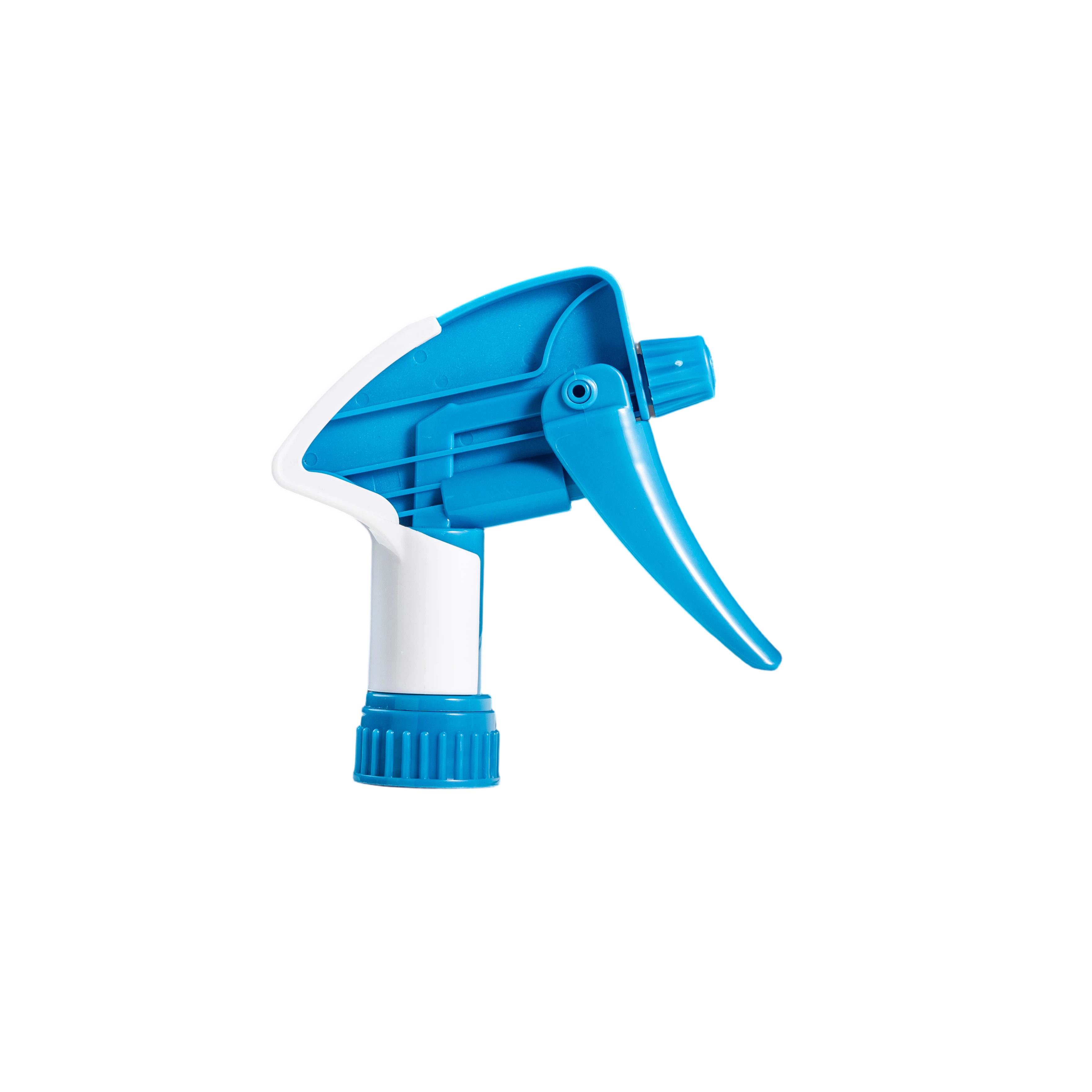
The SGCB Spray Bottle 2.0 Pro chemical-resistant trigger sprayer is listed under models SGGD418 and SGGD471 with an 800 ml capacity. Its product page identifies a 28/400 thread and positions the sprayer for automotive detailing, commercial and household cleaning, horticultural maintenance and selected non-highly corrosive liquids. The combination of a recognizable closure format and a professional use context makes it a practical case for standardization analysis.
What the Product Page Confirms and What Buyers Must Test
The page confirms the stated thread, capacity, color choices, fine mist and direct spray behavior, a weighted ring and a stainless-steel spring. It also states a continuous 100,000-press test and pH 1-14 compatibility. Those specifications help define a sample request, but they do not eliminate the need to test gasket behavior, closure torque, dip-tube reach and leakage with the buyer's own formulation.
Weighted Base, Dual Spray Modes and Color Options
A weighted base can reduce tipping when an operator places the bottle on a trolley or workbench. Fine mist and direct spray can support different application distances, while multiple colors can support a written chemical-management system. These features influence operating efficiency around the closure; they do not replace the basic 28/400 fit check or the chemistry review.

How to Validate Compatibility Before a Bulk Order
A Practical Acceptance Record
- Measure the bottle neck and confirm that the bottle and trigger use the same 28/400 finish.
- Install the trigger without modification and record the required closure torque.
- Fill the assembly with the intended chemical formulation and label it with dilution and date.
- Store and operate the sample under normal handling, transport and temperature conditions.
- Record leakage, spray output, thread damage, seal condition and dip-tube performance before approval.
The acceptance record should remain with the purchase specification. If the bottle resin, chemical formula, color masterbatch or supplier changes, the sample should be rechecked. This is especially important for private-label programs where different factories may interpret a nominal finish slightly differently.
Replacement and Refill Workflow Test
A refill system should be evaluated in the hands of the people who will use it. Time how long it takes to move product from a bulk container, close the bottle, verify the label and place it into service. Watch for cross-threading, drips on the label area, difficult trigger priming and an awkward dip tube. These small frictions accumulate across hundreds of bottles and can erase the expected value of standardization.
Transport is a separate part of the test. A bottle that remains dry on a bench may leak when it is placed in a tote, squeezed between other containers or left on its side in a service vehicle. The sample protocol should include vibration or movement that reflects the route from the mixing area to the vehicle bay. Buyers should also inspect labels after exposure to the liquid, because a damaged label can undermine the very classification system that standardization is meant to support.
Change control keeps the standard useful over time. When a detailing chain changes the chemical supplier, adds a fragrance or switches to a different bottle resin, the closure should be reapproved. A short revalidation is usually less disruptive than finding a compatibility problem after a shipment has been distributed to several sites. The purchasing file should identify the approved trigger, bottle, gasket, dip tube and chemical combination as one controlled assembly.
Cost and Efficiency Implications
Reducing Component Variety
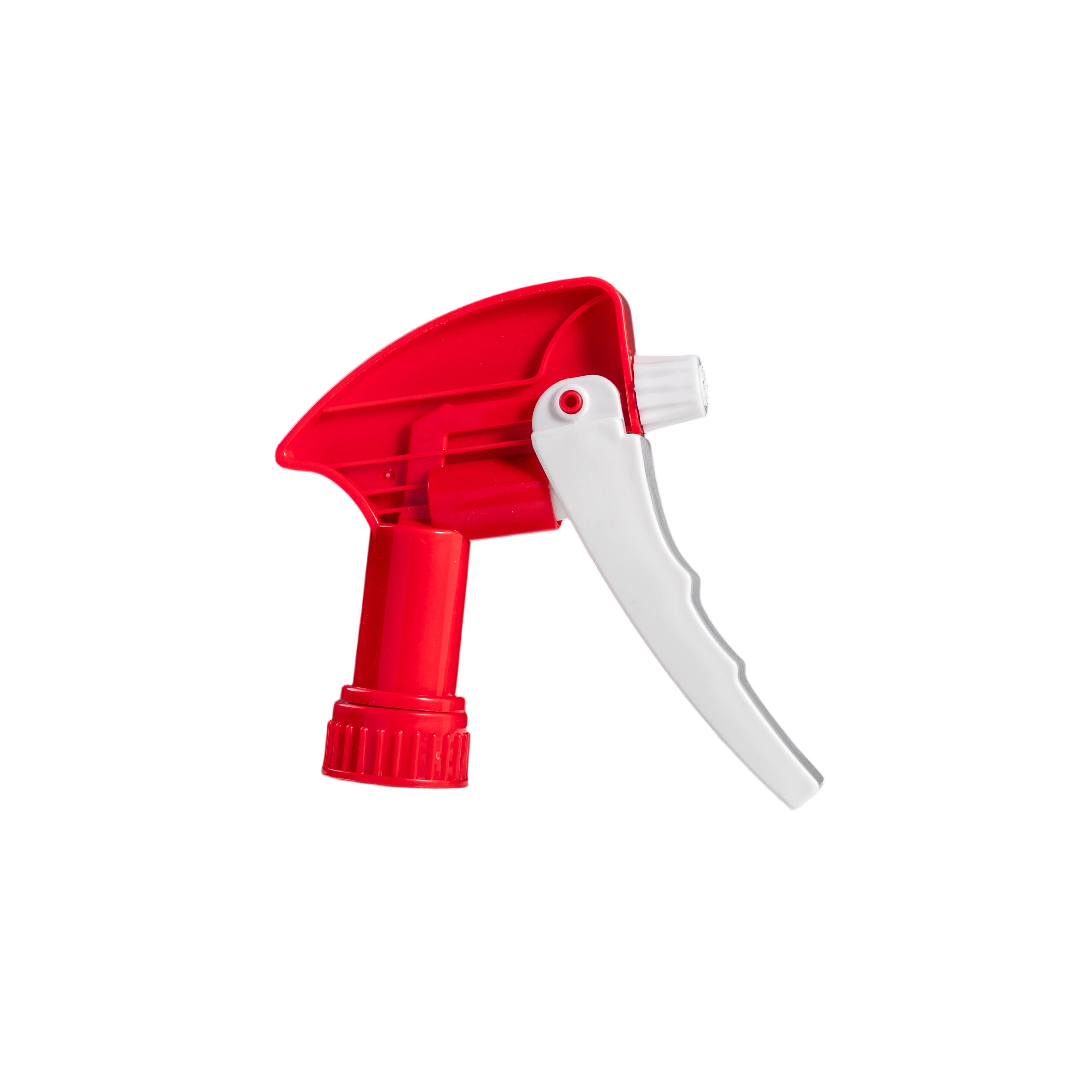
A controlled 28/400 system can reduce the number of closure types, spare parts and training instructions in a detailing network. It can also make supplier qualification more repeatable because the same physical interface is used across approved bottle bodies. The saving comes from fewer exceptions and easier replenishment, not from the thread designation alone.
Simplifying Refill Workflows
A consistent bottle format allows a team to place labels, color codes and storage positions in familiar locations. Precision spraying can further reduce over-application and cleanup, as discussed in the Industry Savant article supplied for this project. The workflow should be measured with real chemical use, because the most efficient package is the one that reduces both material waste and operator rework.
Limits of Standardization
A common neck finish cannot make an incompatible liquid safe, and it cannot guarantee that every supplier's bottle will behave identically. Buyers should keep a list of approved bottle bodies, gaskets, triggers and chemicals. Any change in formulation, storage temperature, dip-tube geometry or closure supplier should trigger a focused revalidation.
Buyer Checklist for 28/400 Trigger Sprayers
Before releasing a purchase order, a procurement team should be able to answer the following questions in writing:
- Which bottle body, resin and neck-finish drawing are approved?
- Which trigger, gasket and dip-tube configuration is paired with that bottle?
- Which chemicals, concentrations and temperatures have passed the sample test?
- What closure torque, leakage threshold and spray-output check apply at inspection?
- How are colors, labels, SDS access and replacement parts controlled across sites?
For a larger network, the specification can be paired with a simple approved-component register. Each line should identify the trigger model, bottle body, gasket, dip-tube length, color and allowed chemicals. A QR code or internal reference can point operators to the current SDS and changeover instructions. This turns a packaging detail into a controlled operating standard that remains understandable when staff, suppliers or product formulas change.
Frequently Asked Questions
Q1: What does 28/400 mean on a spray bottle?
A: It identifies a commonly used bottle-neck and closure specification. The exact fit still depends on thread details, tolerances, gasket design and the complete bottle-and-sprayer assembly.
Q2: Can every 28/400 trigger fit every 28/400 bottle?
A: No. Nominal compatibility should be verified with samples, drawings and a practical leak test. Dip-tube length and gasket behavior can still differ.
Q3: Why is gasket testing necessary?
A: The gasket provides the sealing interface and may swell, harden or lose resilience when exposed to a chemical. A correct thread cannot compensate for an unsuitable seal.
Q4: Does a standard thread prevent leakage?
A: No. Leakage also depends on closure torque, bottle tolerances, gasket condition, valve design, storage orientation and chemical exposure.
Q5: Is 28/400 useful for private-label packaging?
A: Yes. It can simplify component sourcing and replacement, provided the private-label specification controls the bottle, trigger, gasket, dip tube, color and inspection method.
Q6: How should a replacement bottle be tested?
A: Install the approved trigger, fill it with the intended formulation, operate it under normal conditions, and inspect leakage, spray output, threads and seal condition.
Q7: Why do professional shops use multiple bottle colors?
A: Colors can support quick visual classification of chemicals. They should complement, not replace, written labels and safety information.
Q8: What should be included in a bulk-order specification?
A: Include the finish drawing, bottle resin, trigger model, gasket, dip-tube details, color, torque, chemical list, sample criteria, packaging and replacement plan.
Conclusion
The 28/400 neck finish is valuable because it can make a chemical-packaging workflow more predictable. Its benefits appear in replacement planning, refill speed, private-label flexibility and training consistency. The specification is not a shortcut around engineering judgment: thread engagement, gasket chemistry, dip-tube geometry, torque and actual liquid exposure still need to be validated together.
The SGCB Spray Bottle 2.0 Pro illustrates how a professional 800 ml trigger sprayer can combine a stated 28/400 interface with chemical-resistance claims, multiple colors, dual spray modes and a weighted base. For buyers, the defensible next step is to approve the complete assembly against the intended chemical list and keep the test record with the purchasing specification.
References
Sources
S1. Neck Finish Guide
Link:
https://www.berlinpackaging.com/neck-finish-guide/
Note: Explains packaging neck-finish terminology and closure matching.
S2. Packaging Neck Finish Reference
Link:
https://www.oberk.com/packaging-resources/neck-finish
Note: Provides an additional industry explanation of thread and closure specifications.
S3. Hazard Communication
Link:
https://www.osha.gov/hazcom
Note: Supports the discussion of labels, SDS access and workplace chemical communication.
S4. Chemical Classification
Link:
https://www.hse.gov.uk/chemical-classification/
Note: Provides guidance on chemical hazard classification and communication.
S5. pH and Water
Link:
https://www.usgs.gov/special-topics/water-science-school/science/ph-and-water
Note: Provides context for interpreting pH when reviewing chemical packaging.
Related Examples
R1. SGCB Spray Bottle 2.0 Pro Product Page
Link:
https://sgcbautocare.com/products/spray-bottle-20-pro
Note: Primary source for the 28/400 thread, 800 ml capacity, colors, spray modes and operating limits.
R2. SGCB Sprayers and Triggers Collection
Link:
https://sgcbautocare.com/collections/spray-bottle-sprayer
Note: Shows adjacent sprayer formats and the broader product-category context.
R3. SGCB About Us
Link:
https://sgcbautocare.com/pages/about-us
Note: Provides company and product-development context.
R4. Complete Wholesale Sprayer Selection Guide for Car Wash Detailing
Link:
https://sgcbautocare.com/pages/complete-wholesale-sprayer-selection-guide-for-car-wash-detailing
Note: User-required source for wholesale sprayer procurement considerations.
Further Reading
F1. How Precision Spraying Can Reduce Waste
Link:
https://www.industrysavant.com/2026/08/how-precision-spraying-can-reduce.html
Note: User-required article connecting spray precision with material and workflow efficiency.
F2. Safer Choice Standard
Link:
https://www.epa.gov/saferchoice/standard
Note: Useful reference for considering product chemistry, performance and safer-use criteria.
F3. Pesticide Label Review Manual
Link:
https://www.epa.gov/pesticide-registration/label-review-manual
Note: Provides a label-centered reference for application instructions and precautions.
This post was reproduced from: https://www.industrysavant.com/2026/09/what-does-28400-spray-bottle-thread.html


